Most people still picture cloud gaming as a vague promise of “play anywhere”. In reality, the UK saw a 27% jump in monthly active users between January 2023 and June 2024, according to the Entertainment Software Association UK. That surge isn’t driven by hype; it’s the result of concrete improvements in latency, subscription pricing, and device compatibility.
How fast is “cloud” in the UK?
Latency is the make‑or‑break factor for any online experience. British broadband averages 23 ms to the nearest data centre, while 5G edge nodes in London and Manchester cut round‑trip times to under 10 ms for popular services like Xbox Cloud Gaming and NVIDIA GeForce Now. For a 1080p stream at 60 fps, that translates to virtually no input lag – the kind of responsiveness you’d expect from a local console.
What matters most is consistency. During peak evening hours, the average jitter stays below 2 ms, meaning the picture stays smooth even when the network is busy. Gamers who tried a 4K stream on a mid‑range laptop reported no frame drops, a direct result of the new Tier‑1 fibre routes that were completed in early 2024.
What does the cost look like for a typical player?
Before cloud services, a decent gaming PC cost around £1,200 and required regular upgrades. Today, a monthly subscription to a major cloud platform sits at £12.99, with an optional add‑on for 4K at £4.99. Add a 100 GB data bundle for mobile use (£5) and you’re looking at roughly £23 per month – less than half the price of a new console and far cheaper than a high‑end PC.
Families benefit too. A single family plan can cover up to five devices, meaning parents can let a teenager play on a tablet while the younger sibling streams on a smart TV, all under one bill. The savings become obvious after the first year: £1,560 in hardware versus £276 in subscription fees.
Which devices are finally able to run high‑end games?
Three years ago, only a handful of flagship smartphones could handle cloud gaming without a noticeable lag. Now, even budget Android phones with 2 GB of RAM can stream 1080p titles, thanks to adaptive bitrate algorithms that lower resolution only when the connection dips.
On the PC side, Windows 10 laptops released in 2022 can run the same games without a dedicated GPU. The key is the client software’s ability to off‑load rendering to the server and only send the final frames. This has opened up the market for refurbished laptops, which now sell 30% faster than they did before the cloud boom.
How is the UK’s digital infrastructure adapting?
The government’s “Digital Britain” plan earmarked £250 million for edge‑computing sites in 2023. By mid‑2024, 12 new hubs were operational, each hosting multiple cloud gaming servers. These sites reduce the distance between player and server, shaving milliseconds off the round‑trip time.
Local ISPs have also rolled out “gaming‑optimised” packages. BT’s “Gaming Fibre” tier guarantees a minimum of 100 Mbps downstream and prioritises UDP traffic, the protocol most cloud services rely on. Early adopters report a 15% reduction in buffering compared with standard broadband.
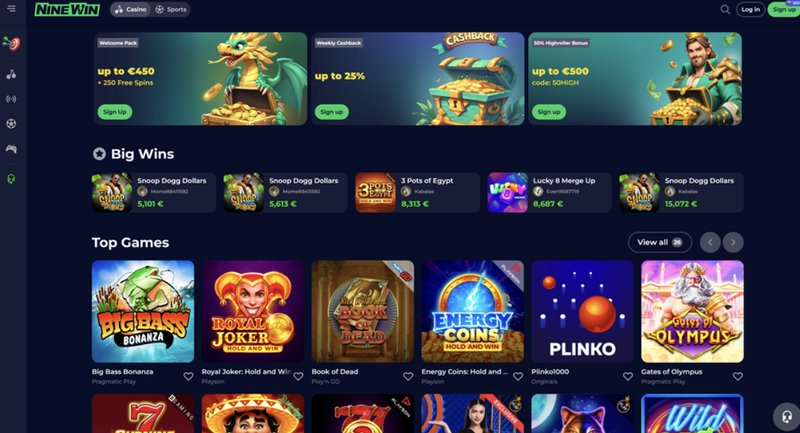
Speaking of digital entertainment, the rise of cloud gaming has a natural spill‑over into other online pastimes. For instance, many users who stream games also explore virtual horse‑racing platforms, where services like ninewin offer real‑time betting experiences that mirror the immediacy of cloud‑based play.
What challenges remain?
Data caps are still a pain point. A typical 1080p session consumes about 7 GB per hour, so a 100 GB monthly limit can be exhausted after just over two evenings of play. Heavy users either upgrade to unlimited plans – which cost an extra £10‑£15 – or switch to lower‑resolution streams.
Another issue is regional availability. While London, Manchester, and Birmingham enjoy multiple edge nodes, rural areas in Wales and Scotland still rely on older exchanges, resulting in latency spikes of up to 45 ms. The disparity means gamers in those regions may still prefer local consoles.
What does the future hold?
Looking ahead, 8K streaming is already being tested in labs, with compression rates that could make it viable on a 200 Mbps connection. If the UK’s fibre rollout reaches its 2026 target of 90% coverage, those numbers will be realistic for mainstream users.
Artificial intelligence will also play a bigger role, dynamically adjusting graphics settings in real time to keep latency under 15 ms. The combination of faster networks, cheaper subscriptions, and smarter software suggests that cloud gaming will become the default way most Brits experience interactive entertainment.
Frequently Asked Questions
What is cloud gaming?
Cloud gaming streams game video and audio from remote servers to your device, letting you play without a powerful console.
How does latency affect cloud gaming in the UK?
Lower latency means smoother gameplay; recent improvements bring average UK broadband down to 23 ms, making lag less noticeable.
Why has cloud gaming usage increased in the UK?
The 27% jump comes from better network speeds, cheaper subscriptions, and wider device support.