The evolution of casinos a journey through time and culture
The Origins of Gambling
The roots of gambling can be traced back thousands of years to ancient civilizations. In Mesopotamia, people played dice games as early as 3000 BC, using rudimentary materials like stones and wood. This early form of gambling served not just as entertainment but also held cultural significance, often linked to religious rituals. It was a way for communities to bond and express their beliefs about fate and fortune, setting the stage for what would evolve into more structured gambling venues. Today, platforms like Pistolo winnings provide similar experiences in a modern context.

As civilizations progressed, so did the complexity of gambling activities. In ancient China, around 200 BC, the first recorded lottery was established, demonstrating a formalized approach to chance-based games. These early lotteries were often used to fund public projects, blending the concepts of luck and social responsibility. As gambling spread through trade routes, it became interwoven with various cultures, each adding its unique twist to the games played. Online platforms such as Pistolo casino Canada offer an expansive array of these traditional games.
The transition from informal gambling to organized gaming saw the establishment of gaming houses in the Middle Ages. The first official gambling house, known as the “ridotto,” opened in Venice in 1638, offering a controlled environment for players. This innovation marked the beginning of legalized gambling establishments, paving the way for the modern casinos we recognize today. The early ridottos influenced the design and operation of future gambling venues around the world.
The Rise of Modern Casinos
The 19th century marked a significant turning point in the history of casinos, particularly with the emergence of Las Vegas as a gambling hub in the United States. Originally a small desert town, Las Vegas transformed in the 1930s with the legalization of gambling, attracting tourists and investors. This era saw the establishment of grand casinos, featuring luxurious accommodations, dining, and entertainment, thus redefining the gambling experience. The allure of Vegas casinos became synonymous with glamour and excess.
As the 20th century progressed, casinos began to pop up in various states across America, each adopting distinctive themes and styles. The introduction of slot machines in the 1890s revolutionized the gambling landscape, making it more accessible to a broader audience. Unlike traditional table games that required skills and strategies, slot machines offered a purely luck-based experience. This shift led to increased popularity and revenues, further solidifying casinos as major entertainment venues. Critically, innovations like the Pistolo casino games have continued to captivate players worldwide.
Globally, casinos began to diversify their offerings to cater to a wider array of customers. Countries like Monaco, with the iconic Monte Carlo Casino, became luxurious destinations for high-stakes gamblers and celebrities alike. The blending of gambling with fine dining, shows, and nightlife created a comprehensive entertainment experience. This evolution demonstrated how casinos adapted to cultural trends and consumer preferences, thereby sustaining their relevance over decades.
The Digital Transformation
The rise of the internet in the late 20th century introduced a new era for gambling, leading to the birth of online casinos. Initially launched in the mid-1990s, these platforms offered an innovative alternative to traditional casinos, granting players the freedom to gamble from the comfort of their homes. Online casinos quickly gained traction due to their convenience and variety of gaming options, ranging from slots to table games. This shift not only broadened the audience but also changed how people perceived gambling.
Online casinos also adopted advanced technologies, enhancing the user experience. The development of live dealer games bridged the gap between online and brick-and-mortar casinos, allowing players to interact with real dealers via video streams. This blend of technology and traditional gaming methods brought a new layer of excitement, making online gambling feel more authentic. Additionally, mobile gaming apps have made it easier than ever for users to gamble on the go, reflecting the growing trend of mobile technology integration.
Despite the convenience of online gambling, it has raised concerns regarding regulation and safety. Various jurisdictions worldwide have implemented strict measures to ensure fair play and protect users. The evolution of online casinos has sparked debates on responsible gambling practices, emphasizing the importance of balancing enjoyment with safety. As the digital landscape continues to evolve, so too does the need for regulations to adapt to emerging technologies and changing consumer behaviors.
The Cultural Impact of Casinos
Casinos have significantly influenced popular culture, inspiring films, music, and literature. Iconic movies like “Casino” and “Ocean’s Eleven” have depicted the thrill and danger associated with gambling, attracting audiences to the allure of high stakes. These portrayals often romanticize the casino lifestyle, showcasing the excitement, glamour, and occasional dark sides of the gambling world. Such cultural representations have played a crucial role in shaping public perception of casinos.
Moreover, casinos have become integral to tourism in many regions. Cities like Las Vegas and Macau draw millions of visitors each year, offering not only gambling but also various attractions. The economic benefits of casinos are profound, providing jobs and stimulating local economies. However, the cultural implications extend beyond economics, as casinos influence social dynamics, community values, and even local politics, demonstrating their far-reaching impact.
As gambling continues to evolve, so does its cultural significance. The rise of online casinos and esports betting has brought new demographics into the gambling sphere, altering traditional notions of what it means to gamble. This ongoing transformation raises questions about social acceptance and the role of gambling in contemporary society. As cultural attitudes shift, casinos must navigate this complex landscape to maintain their relevance and appeal.
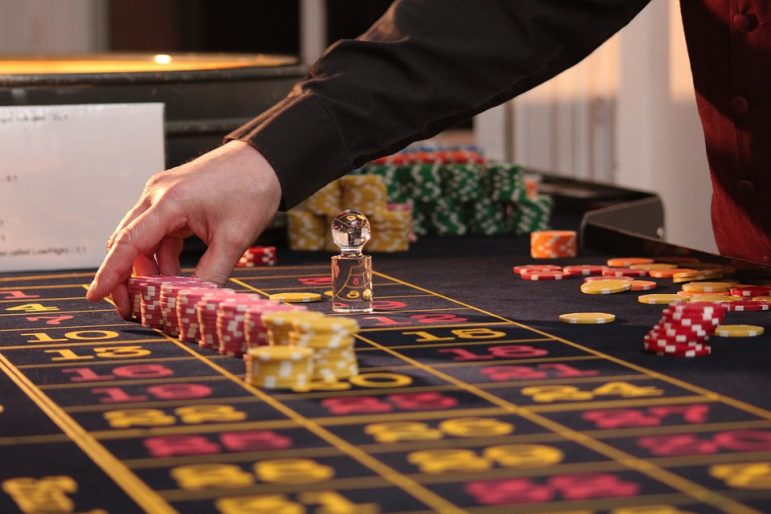
Pistolo Casino: A Modern Gaming Experience
Pistolo casino exemplifies the latest advancements in online gambling, offering an extensive selection of over 8,850 games. This platform combines the thrill of traditional casino games with the convenience of modern technology, appealing to both seasoned gamblers and newcomers alike. From classic slots to immersive live dealer experiences, Pistolo casino caters to diverse preferences, ensuring that every player finds something that suits their taste.
The user-friendly interface of Pistolo casino enhances the overall experience, allowing players to easily navigate through various games and features. With a generous welcome bonus, players are encouraged to dive into the action without hesitation. Comprehensive support for deposits and withdrawals ensures a seamless gaming experience, reflecting the growing demand for convenience and security in online transactions.
As the online gambling landscape continues to evolve, Pistolo stands at the forefront of this transformation. By embracing innovation and prioritizing player satisfaction, the platform is well-positioned to thrive in the competitive online gaming market. Whether you are interested in sports betting or exploring the diverse range of casino games, Pistolo offers an exciting and secure environment for all types of players.